Home Inspector Finds an Attic Fire Waiting to Happen
During a recent home inspection in the Houston area, our certified home inspectors discovered a ticking time bomb in the attic… thick layers of dryer lint blanketing the gas water heater and surrounding attic space. The dryer duct had never been properly connected to the exterior vent, turning the attic into a lint-filled fire hazard for years.
This wasn’t just a maintenance issue. It was a catastrophic fire waiting for the right spark. With an active ignition source (the gas water heater) completely covered in one of the most flammable materials in your home, this family was living with a severe safety risk they never knew existed.
The Invisible Danger of Improper Dryer Venting
Most homeowners never think about their dryer vent after moving in. The dryer works, clothes get dry, life goes on. But hidden behind walls and in attics, improper dryer vent installation creates one of the most dangerous fire hazards in residential homes. Dryers cause thousands of house fires annually, with lint buildup being the leading cause. When dryer vents aren’t properly connected, sealed, and maintained, the consequences can be devastating:
*** What Our home Inspection Discovered ***
In this particular Houston area home, the problems were severe and multiple. The dryer vent duct was not properly connected to the exterior roof penetration, allowing all dryer exhaust to blow directly into the attic space. Years of lint had settled on every surface and covered the water heater, coating the attic floor, and creating a thick layer of highly combustible material throughout the space.
The gas water heater, which operates with a pilot light and burner, was literally buried in lint to create an extreme fire hazard. The homeowner had been breathing lint particles throughout the home as air circulated from the attic, and the dryer had been working harder and longer because exhaust couldn’t escape properly, driving up utility costs.
Inspector Finds Common Dryer Vent Installation Mistakes
Our certified house inspectors regularly encounter dryer vent problems during home inspections:
Why Houston Homes Are Particularly Vulnerable
Houston’s climate and construction practices create specific dryer vent challenges. Many Houston homes have water heaters in attics where dryer vents often terminate, creating concentrated fire hazards when both are in the same space. Houston’s humidity makes proper dryer venting even more critical for preventing moisture buildup and mold growth alongside lint accumulation.
Unlike colder climates with seasonal dryer use, Houston homeowners use dryers all year, accelerating lint buildup. During Houston’s building booms, rushed installations can lead to shortcuts in proper vent connections and sealing.
The Real Cost of Dryer Vent Fires
Beyond the obvious fire danger, improper dryer venting creates multiple financial and safety consequences. House fires from dryer lint can cause $50,000 to $200,000+ in damage or total loss. Dryer fires may complicate insurance claims if maintenance was neglected.
Lint particles circulating through homes affect air quality and respiratory health. Dryers working against blocked vents fail prematurely, requiring expensive replacement. Inefficient dryer operation from poor venting costs hundreds annually in wasted energy.
How Phase Inspections Catch These Problems Early
This is exactly why new build home inspections and phase inspections are so critical. During pre-drywall inspections, our certified home inspectors verify dryer vent routing and materials meet code requirements, all connections are properly sealed and secured, vent paths are direct with minimal turns, exterior terminations are correctly installed, and there are no conflicts with other mechanical systems.
Catching improper installation before walls close is simple and inexpensive. Discovering it years later, especially after a fire, is catastrophic.
Warning Signs of Dryer Vent Problems
Homeowners should watch for these red flags indicating dryer vent issues: clothes taking longer than normal to dry, dryer exterior getting extremely hot during operation, burning smell when dryer is running, excessive lint around dryer area, humidity or condensation in laundry room, no visible exhaust coming from exterior vent, and musty odors in laundry area.
The Fix: Proper Dryer Vent Installation
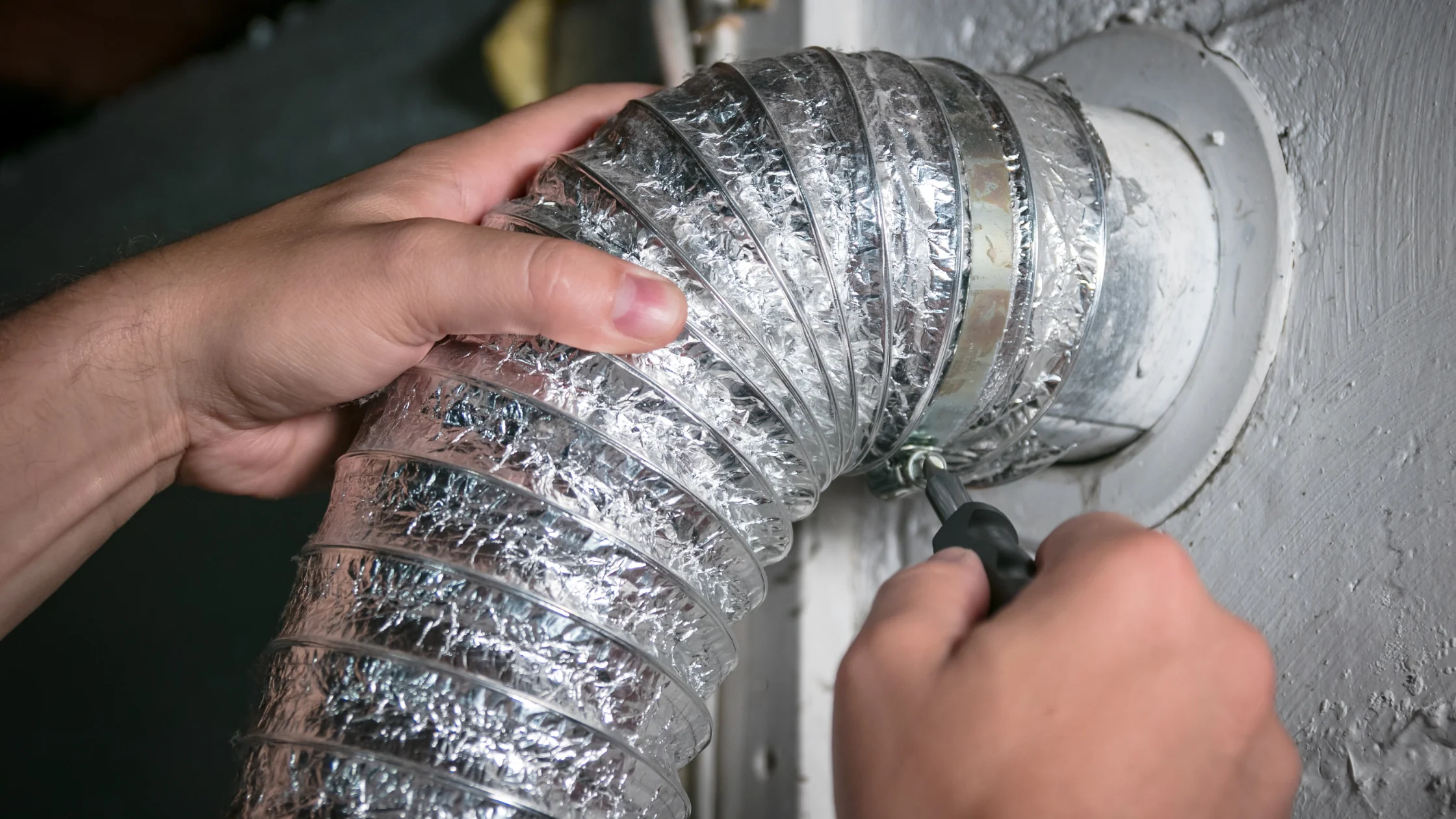
Correcting dryer vent problems requires professional installation following these standards: use rigid metal duct (smooth-wall, never flexible plastic or foil), minimize length (shortest possible route to exterior, typically 25 feet maximum with no elbows), secure all connections with metal clamps or screws at every joint (never duct tape), seal penetrations properly where duct penetrates walls or roof, install exterior damper for backflow prevention, and maintain clearances with adequate space around water heaters and other ignition sources.
The Home Inspection That Saved a Family
Our home inspection prevented what could have been a tragic fire. The buyers understood the severity immediately. This wasn’t a “fix it eventually” issue. Before moving in, they had all lint professionally removed from the attic, installed proper rigid metal dryer vent with correct routing, sealed all connections and exterior penetration, cleaned the water heater and surrounding area, and had the HVAC system cleaned to remove circulating lint particles.
The cost? Under $500 for professional correction. The value? A safe home for their family… PRICELESS!
Buying or selling, what’s the condition of your attic?
Dryer vent fires don’t announce themselves until it’s too late. Hidden in attics and wall cavities, improper installations silently accumulate lint for years until the right conditions create disaster. Don’t assume your dryer vent is properly installed just because your dryer works. At Texan Inspection, our certified in-house inspectors provide thorough safety evaluations for home buyers and sellers throughout the Houston area. We check the details that keep your family safe from hidden dangers.