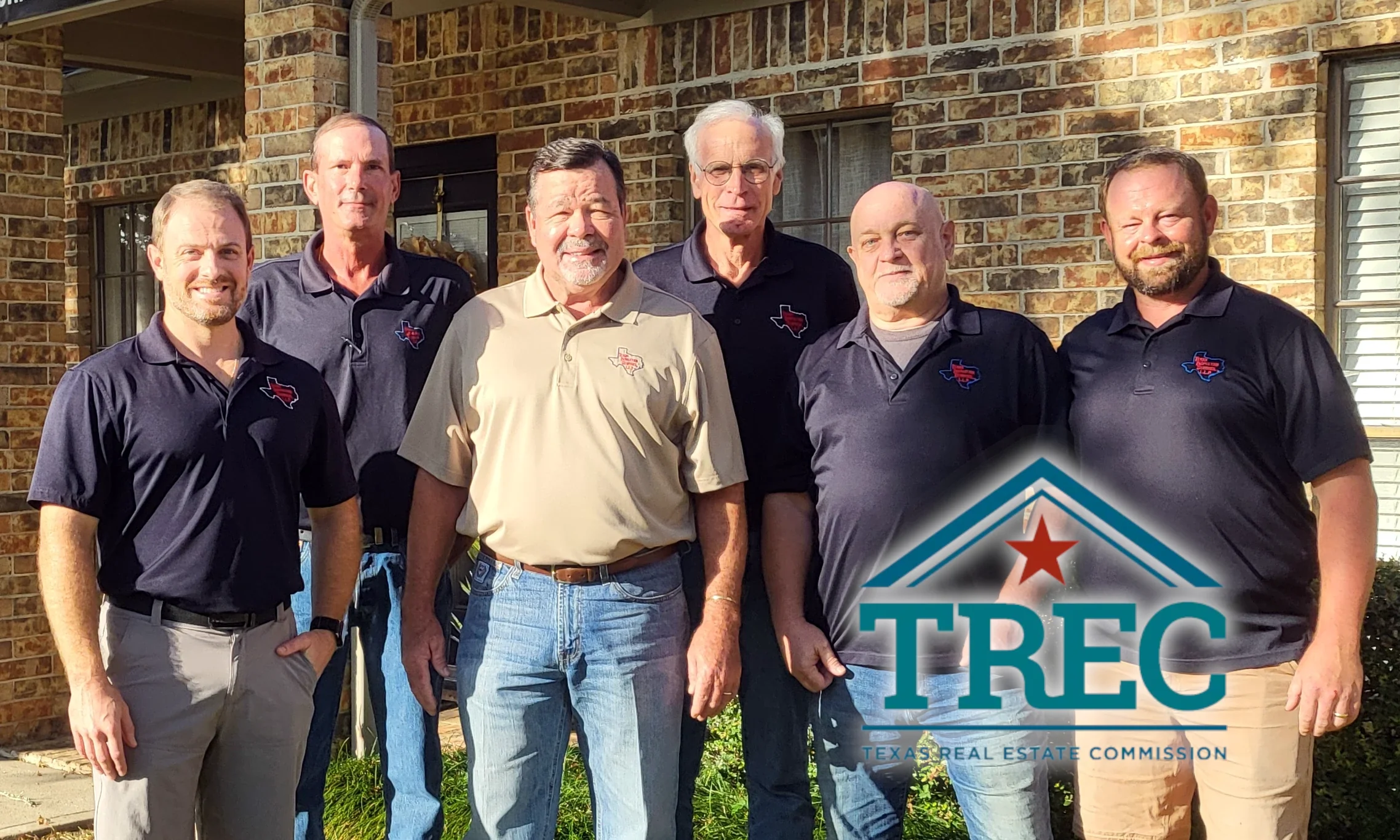
At Texan Inspection, quality is not a slogan. It is a standard. That is why every home inspector on our team holds the TREC Professional Home Inspector Certification, the highest certification level offered by the Texas Real Estate Commission (TREC).
This commitment sets Texan Inspection apart across Greater Houston, including Houston, Pearland, Richmond, Kingwood, Clear Lake, Cypress, Spring, and surrounding communities. We believe homeowners and buyers deserve inspections performed by professionals who have completed the most rigorous education, training, and field experience required in Texas.
What Is the TREC Home Inspector Certification & Why Texan Inspection Requires It
The TREC Professional Home Inspector Certification represents the top tier of home inspection credentials in Texas. It is issued only after an inspector completes advanced education, demonstrates extensive hands on experience, and meets TREC’s professional and ethical standards.
Many inspection companies operate with entry level or minimally licensed inspectors. Texan Inspection does not. We require this highest level certification because it ensures our inspectors are fully qualified to independently evaluate residential properties according to Texas Standards of Practice without shortcuts.
The Education Behind Texan Inspection’s Certified Home Inspectors
To earn the TREC Professional Home Inspector Certification, inspectors must complete approximately 194 hours of required education and practicum training. This education is not optional or superficial. It is mandated by TREC and includes:

This training prepares inspectors to evaluate structural systems, roofing, foundations, electrical, plumbing, HVAC, moisture intrusion, and safety concerns. For homes in Greater Houston, where expansive soils, high humidity, and severe weather are common, this depth of education is critical.
Education alone does not earn Professional status. Inspectors must also complete a minimum of 175 supervised home inspections over at least 12 months of active field experience before qualifying for certification.
By choosing Texan Inspection, clients work with inspectors who have already evaluated hundreds of real homes, not trainees or newly licensed inspectors. This experience translates directly into more accurate findings, clearer reports, and fewer surprises after closing.
What This Means for Texan Home Inspection Clients in Greater Houston
Because Texan Inspection uses only inspectors who hold the TREC Professional Home Inspector Certification, our clients benefit from:
- Proven education and verified field experience
- Inspections performed to Texas Standards of Practice
- Clear, defensible inspection reports
- Professional accountability under state regulation
With Texan Inspection, you are hiring the highest qualified inspectors Texas allows, by design, not by chance.

Ray Hinsley
Founder

Jason Aronson
Home Inspector


Brent Turnage
Home Inspector
FAQs About Certified Home Inspectors
What does it mean to be a certified home inspector in Texas?
A certified home inspector in Texas who holds the TREC Professional Home Inspector Certification has completed advanced education, extensive supervised inspections, and meets the highest licensing standards set by the Texas Real Estate Commission.
Does Texan Inspection use certified home inspectors?
Yes. Texan Inspection only uses inspectors who hold the TREC Professional Home Inspector Certification, the highest certification level available in Texas.
How many hours of training do Texan Inspection inspectors complete?
Texan Inspection inspectors complete approximately 194 hours of required education and practicum training, covering inspection techniques, Texas law, professional responsibility, and hands on field experience.
How much experience do Texan Inspection inspectors have?
Before becoming certified, inspectors must complete at least 175 supervised home inspections over a minimum of 12 months of active field experience.
Why is certification important when choosing a home inspector in Greater Houston?
Certification ensures inspectors have proven training and experience, which is especially important in Greater Houston homes affected by soil movement, humidity, storms, and aging infrastructure.